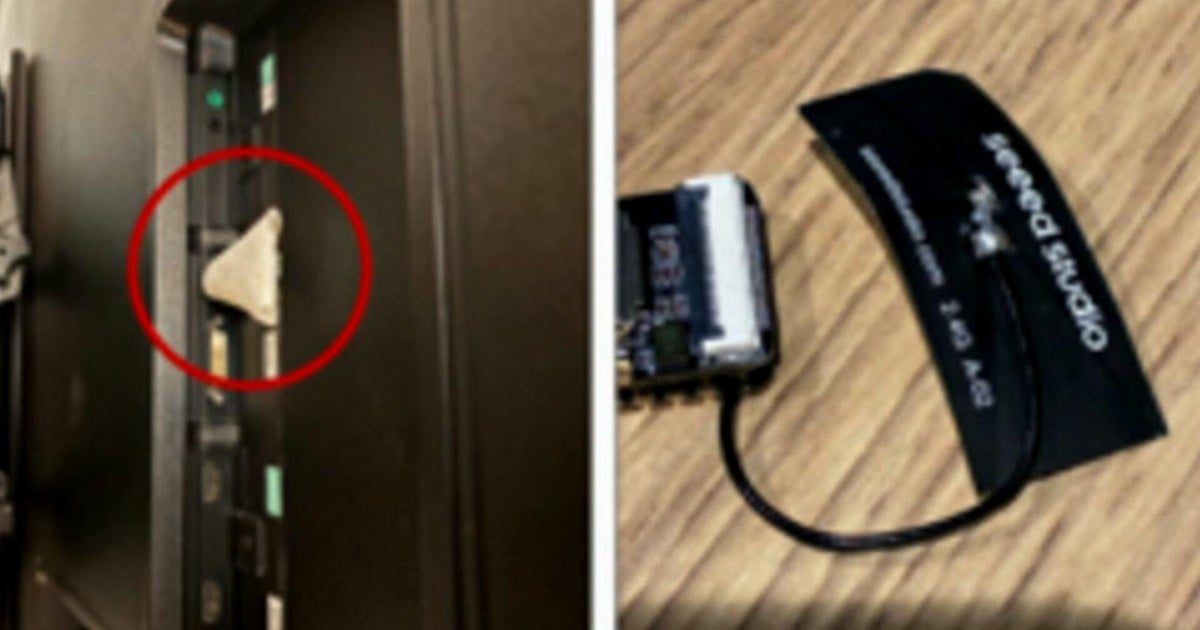
An OpenAI employee was arrested after allegedly placing a hidden recording device inside one of the company's conference rooms, according to CBS News. The arrest marks an unusual security breach at one of the world's most valuable artificial intelligence companies, where internal meetings routinely cover unreleased products and proprietary research.
The employee was taken into custody following the discovery of the device, which authorities say was concealed within the conference room. Details on the specific charges, the employee's role at the company, and how long the device had been in place were not immediately released. It was not clear whether the employee has entered a plea or retained an attorney.
OpenAI, based in San Francisco, has grown from a nonprofit research lab founded in 2015 into a company valued at roughly $500 billion following its most recent funding round. Its flagship product, ChatGPT, has more than 800 million weekly active users, and the company's internal deliberations — including unreleased model capabilities, partnership deals, and safety decisions — are among the most closely guarded secrets in the technology industry.
The alleged bugging comes as OpenAI faces intensifying competition from Google, Anthropic, and Meta, all racing to release more capable AI models. Corporate espionage targeting AI firms has become a growing concern across the sector, with companies tightening physical and digital security around research facilities. In 2023, Google sued a former engineer accused of stealing trade secrets related to its TPU chip designs, and Apple has pursued similar cases against former employees.
OpenAI has not publicly commented on the arrest. The San Francisco Police Department, which would typically handle an arrest within the city, did not immediately respond to questions about the case. CBS News reported the arrest but did not specify the date it occurred or identify the employee.
A recording device placed in a corporate conference room could capture conversations about unreleased AI models, safety evaluations, legal strategy, or negotiations with partners and investors. Under California law, it is illegal to record confidential communications without the consent of all parties involved, and violations can carry criminal penalties as well as civil liability.
OpenAI's security posture has drawn scrutiny before. In 2023, the company confirmed a separate incident in which hackers accessed its internal messaging systems, though executives said at the time that no customer data or core research was compromised. The company has since expanded its security team and restricted access to sensitive projects.
The arrest is the latest in a string of security incidents involving major AI companies, where the value of confidential information — from model weights to training data pipelines — has made employees and contractors attractive targets for competitors and foreign governments alike.