Robotaxi operators are redesigning vehicle interiors to stop passengers from having sex, vandalizing seats, and leaving messes inside cars that have no human driver to intervene, according to research on autonomous vehicle design reported by Ars Technica.
The problem is structural, not incidental. A driverless car is a private-feeling space that is also a shared commercial vehicle, and the companies running fleets have no employee on board to enforce basic rules of conduct. Researchers studying the issue say the absence of a driver changes passenger behavior in ways that traditional taxis and ride-hailing cars never had to address.
"You may be driving by yourself, but that's not your classic private environment," researcher Alexandros Rouchitsas told Ars Technica, describing the ambiguous status of a robotaxi cabin — enclosed and unobserved, but owned and monitored by a company.
The tension has deep cultural roots. Popular culture has treated car interiors as romantic and sexual spaces for decades, from the drive-in movie era to films and songs built around the theme — including the 2023 Oscar-winning short "The Wonderful Story of Henry Sugar" director Wes Anderson's earlier work and the classic Italian film "Love in Traffic." One researcher noted the pattern directly: "The interiors of vehicles has been sexualized and appropriated for sex since forever in popular culture."
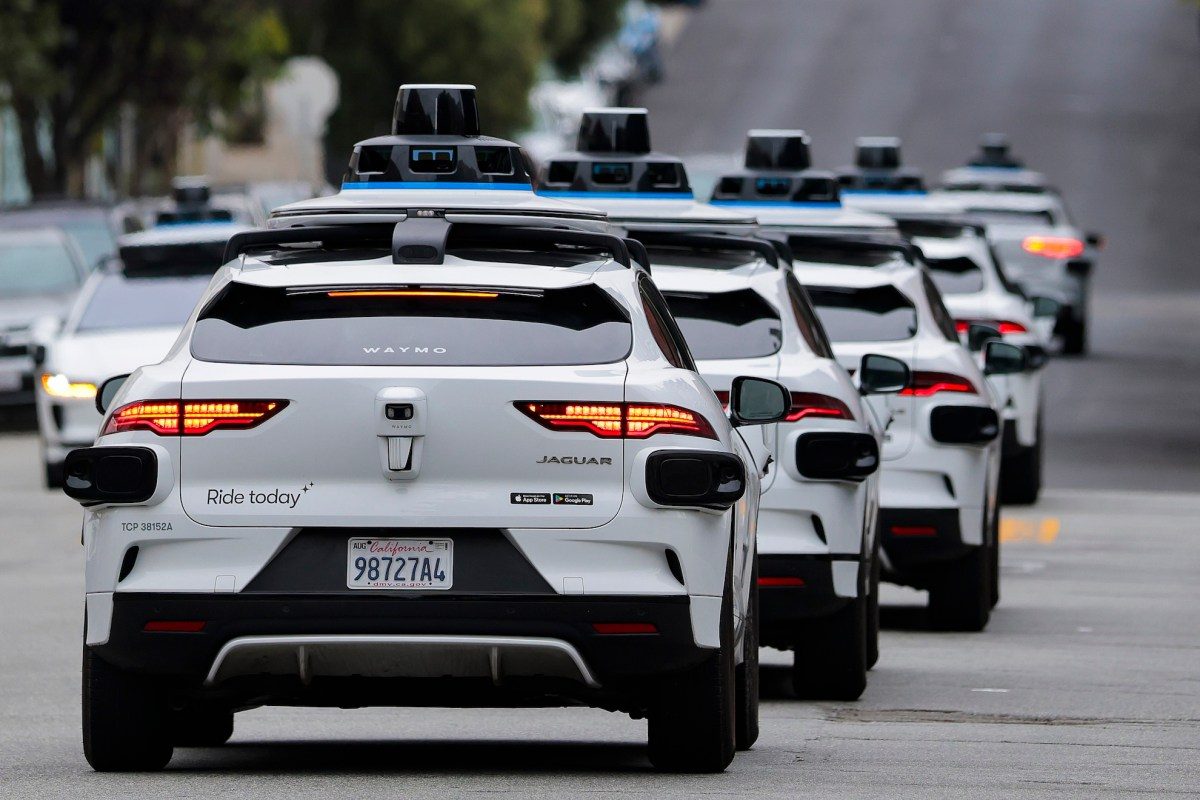
That history matters commercially. Robotaxi fleets from Waymo, Cruise, and Tesla operate in cities including San Francisco, Phoenix, Austin, and Los Angeles, and each vehicle must be cleaned and inspected between rides. Semen, vomit, spilled food, and deliberate damage raise turnaround costs and can take a car out of service for hours, cutting into the per-mile economics that make the business viable.
Design responses under study include interior cameras with automated detection, seat materials that resist staining, layouts that make the cabin feel less like a bedroom, and audio or lighting cues that signal the space is monitored. Some proposals borrow from transit design — bright lighting, hard surfaces, and visible recording indicators — to discourage behavior passengers would not attempt in front of a driver.
Automakers and fleet operators have not published uniform standards for handling sexual activity or vandalism in driverless cars, and liability questions remain unsettled. A passenger who damages a robotaxi can be identified through the app account used to book the ride, giving operators a tool that traditional taxis lacked — but only after the fact.
Rouchitsas and other researchers argue the fix is partly psychological: passengers need to understand, before they close the door, that the cabin is a semi-public space with cameras and consequences. Whether upholstery, lighting, and a recorded voice can accomplish what a rearview mirror once did is now an engineering question with a long cultural tail.