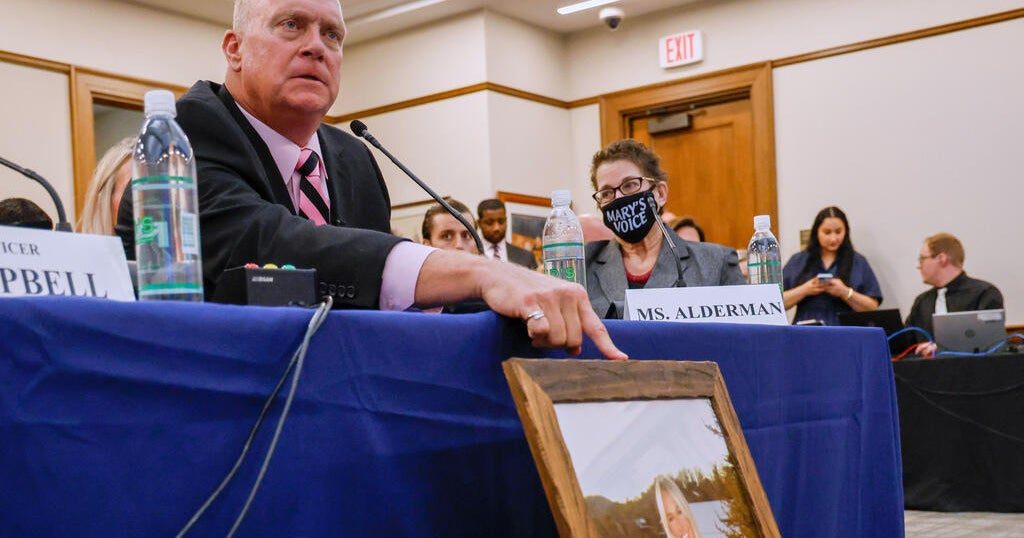
NORTH CHARLESTON, S.C. — The father of a North Carolina woman shot and killed during a break-in traveled to South Carolina on Thursday to press the Justice Department and Sen. Lindsey Graham to support a bill that would impose mandatory minimum sentences on repeat violent offenders, arguing the current system protects criminals at the expense of victims.
The bill, introduced by South Carolina Republican Rep. Russell Fry, targets what supporters call "career felons" — offenders with multiple prior convictions for violent crimes. The grieving father said the measure is needed because too many repeat offenders are released to commit new crimes, and he directed his frustration at a system he said prioritizes the rights of the accused.
"The criminal is more important than the innocent," he said, describing how his daughter's life was taken by someone who should have been behind bars.
The legislation's path forward is complicated by the political dynamics surrounding Graham, who is running in a special primary for the Senate seat previously held by his brother. Fry, who introduced the bill, has challenged Graham in that primary — a contest that has forced both Republicans to stake out positions on crime and public safety ahead of the vote.
Graham has said he supports "fighting against violent crime" and has signaled openness to the measure, though he has not committed to a specific timeline for moving it through the Senate. The Justice Department has not publicly commented on the bill.
Fry's proposal would establish enhanced sentencing guidelines for defendants convicted of three or more violent felonies, similar to habitual offender laws already on the books in more than two dozen states. Federal prosecutors would gain discretion to seek longer terms for offenders who meet the criteria, though the bill stops short of imposing a strict "three strikes" mandate.
The father's visit to North Charleston is part of a broader push by victims' families to build support for the legislation. He met with local officials and planned to speak with members of the South Carolina congressional delegation before returning to North Carolina.
House Republican leaders have not scheduled a vote on the bill, and its prospects in the Senate remain uncertain. Similar proposals have stalled in previous sessions amid concerns from criminal justice reform advocates about mandatory minimums and their impact on incarceration rates.
The bill has drawn support from several law enforcement groups in South Carolina, including the state sheriffs' association, which cited the need for stronger tools to keep repeat offenders off the streets. Opponents argue the measure would lead to overcrowded prisons and disproportionately affect minority communities.