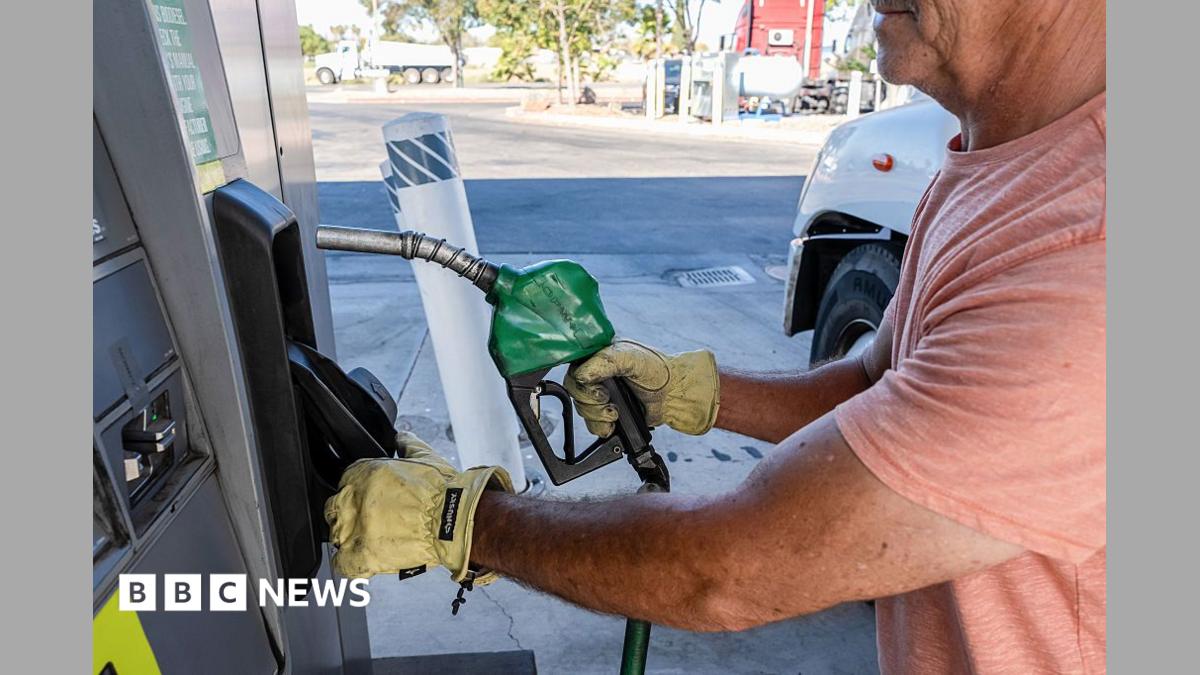
President Donald Trump said he would back a ban on US diesel producers selling fuel overseas, as record pump prices squeeze American drivers ahead of the midterm elections.
Diesel now averages $6.45 per gallon nationwide, according to AAA, a near-record high driven by the ongoing US-Israel war with Iran and tight global supplies. Prices have climbed nearly 70% from a year ago.
Trump and his allies argue that keeping US diesel at home would shield consumers from further spikes. The proposal has gained traction as voters head to the polls in November.
The stakes are enormous. The US produces roughly four to five million barrels of diesel per day, according to the Energy Information Administration. Americans consume about 3.6 million barrels of that. Refiners export the remaining 1.2 million to 1.5 million barrels daily, making the US a critical supplier to world markets.
Between 60% and 70% of those exports go to Latin America. Mexico, Brazil, Chile, and Ecuador lean heavily on American shipments to fuel trucks, tractors, and factories. European buyers in France, the Netherlands, and the UK also rely on US diesel as they seek alternatives to Middle Eastern crude.
Experts warn that cutting off those flows could backfire. A ban would likely push up prices in importing nations, strain diplomatic ties, and disrupt supply chains that US refiners have built over decades.
"If you restrict exports, you're not just hurting foreign buyers. You're also undermining the US refining industry, which depends on those overseas sales," said one energy analyst familiar with the market, who spoke on condition of anonymity because they were not authorized to comment publicly.
Refiners have pushed back quietly, arguing that export revenue keeps domestic production strong. A sudden ban could force them to cut output, which would eventually shrink supply at home and drive prices even higher.
The White House has not released a formal plan. It remains unclear whether Trump would pursue an executive order or seek congressional approval. Any move would face legal challenges from industry groups and likely pushback from trading partners.
For now, American drivers are watching prices at the pump. The average cost of diesel has more than doubled since 2020, and truckers, farmers, and small businesses say they are feeling the pinch.
Whether an export ban would ease that burden or make it worse is the question Washington now faces. The answer could shape fuel markets worldwide for years.