The Trump administration cut federal fuel economy standards for new cars and light trucks, rolling the requirements back to levels last set in 2014. The move undoes one of the Obama administration's signature climate rules and hands automakers a long-sought reprieve from tightening emissions targets.
The rule, announced by the National Highway Traffic Safety Administration and the Environmental Protection Agency, lowers the annual fuel efficiency increases that automakers must hit across their fleets. Under the Obama-era standard, the industry was on track to average roughly 54 miles per gallon by 2025. The new rule freezes requirements near 2014 levels, meaning vehicles will burn more gasoline and emit more carbon dioxide over their lifetimes.
President Trump framed the change as relief for American drivers and manufacturers. "This is about making cars affordable again for the American family," he said at the announcement, arguing the old standards pushed up sticker prices and cost jobs. Administration officials estimated the rollback would lower the average price of a new vehicle by several thousand dollars.
Automakers largely welcomed the decision, though several companies stopped short of full-throated praise. The Alliance for Automotive Innovation, the industry's main lobbying group, said the revised rules give manufacturers "flexibility to build the vehicles customers actually buy." Environmental groups condemned the move outright.
"This is a gift to oil companies at the expense of every American's lungs," said one attorney with an environmental law firm that has already signaled it will sue. Public health researchers note that higher fuel consumption means more tailpipe pollution, which is linked to asthma and other respiratory conditions.
The rollback also reopens a bitter fight with California, which holds a federal waiver allowing it to set its own stricter emissions rules. More than a dozen states follow California's standards, together representing a large share of the U.S. auto market. Legal experts expect the dispute to reach the Supreme Court.
This is not the first time the standards have swung with the political pendulum. The Obama administration tightened them in 2012, the first Trump administration loosened them in 2020, and the Biden administration restored tougher targets in 2024. Each reversal has forced automakers to plan product lines years in advance while the rules keep changing underneath them.
The practical effect will take years to show up on dealer lots. Fuel economy is measured across an entire fleet, so manufacturers can keep selling a mix of efficient cars and gas-heavy trucks as long as the average meets the lower bar. Analysts say the biggest impact will be on electric vehicle investments, which many automakers had accelerated to comply with the stricter targets.
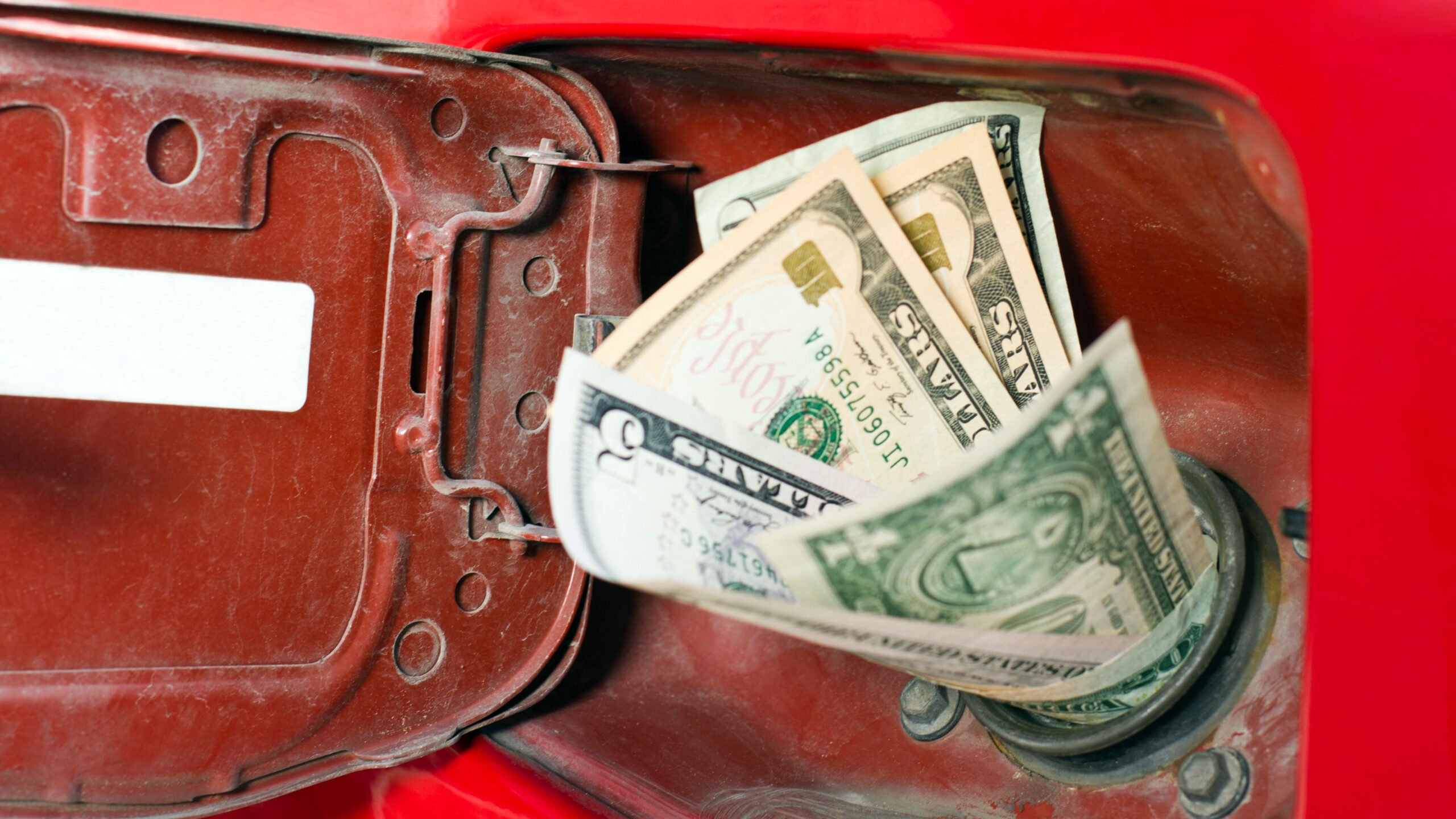
Consumer groups point out that lower standards mean higher fuel costs at the pump over the life of a vehicle, often outweighing the savings on the sticker price. The administration disputes that math, arguing its estimates show a net benefit for buyers.