Idaho dairy farmers say they are bracing for an immigration crackdown that has largely bypassed American agriculture so far, worried their workers could be next. The concern follows a widening deportation push by the Trump administration that has focused on cities and job sites but left most farms untouched.
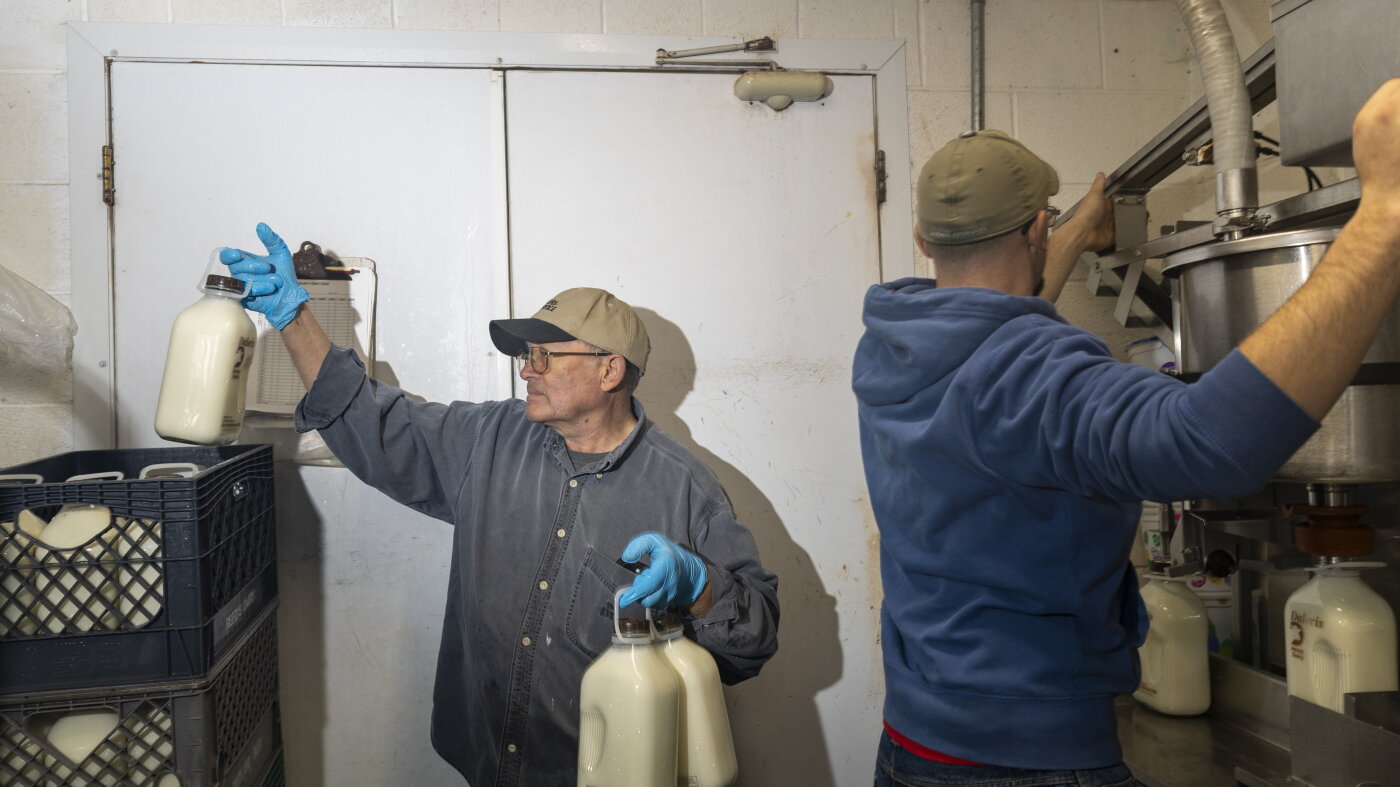
Dairy operations in the Magic Valley, one of the nation's top milk-producing regions, depend heavily on immigrant labor for milking, feeding and calving. Producers there told NPR they fear that protection is temporary and that a single raid could shut down a farm.
"If they come in here and take half our crew, we're done," one Idaho dairyman told NPR, describing a workforce that is almost entirely foreign-born. Many workers are from Mexico and Central America, and farm groups estimate that roughly half of the nation's dairy labor is undocumented.
The Trump administration has prioritized deporting immigrants with criminal records but has also expanded expedited removal and workplace enforcement. Farm groups have lobbied for a stable guest-worker program, arguing that food production cannot survive without foreign labor.
Agriculture has historically received quieter treatment than other industries. During earlier enforcement surges, the Department of Homeland Security avoided large-scale farm raids, citing the risk to the food supply. Idaho producers say they are counting on that same restraint now.
But the political pressure is rising. Hardline advisers inside the administration have pushed for broader interior enforcement, and some states have moved to require employers to verify workers' legal status. Idaho lawmakers have debated similar measures in recent sessions.
The stakes are high for the state's economy. Idaho ranks among the top five milk-producing states, generating billions of dollars a year. Dairy is the state's largest agricultural sector, and any labor disruption would ripple through feed suppliers, trucking companies and rural banks.
Farmers say they are not asking for amnesty. They want a workable visa program that lets experienced workers stay legally, and they warn that automation cannot replace the hands that keep parlors running around the clock.
"We're not political," another producer said. "We just want to milk cows and pay our bills."
For now, the barns are quiet. Whether they stay that way depends on decisions being made far from Idaho's fields.