American consumers lost faith in the economy this month. The Conference Board reported Tuesday that its Consumer Confidence Index dropped to 81.9 in September, down 6.7 points from August and far below the 89 that economists surveyed by Dow Jones had expected.
The decline marks one of the sharpest monthly drops this year and signals mounting anxiety about inflation and the job market heading into the fall.
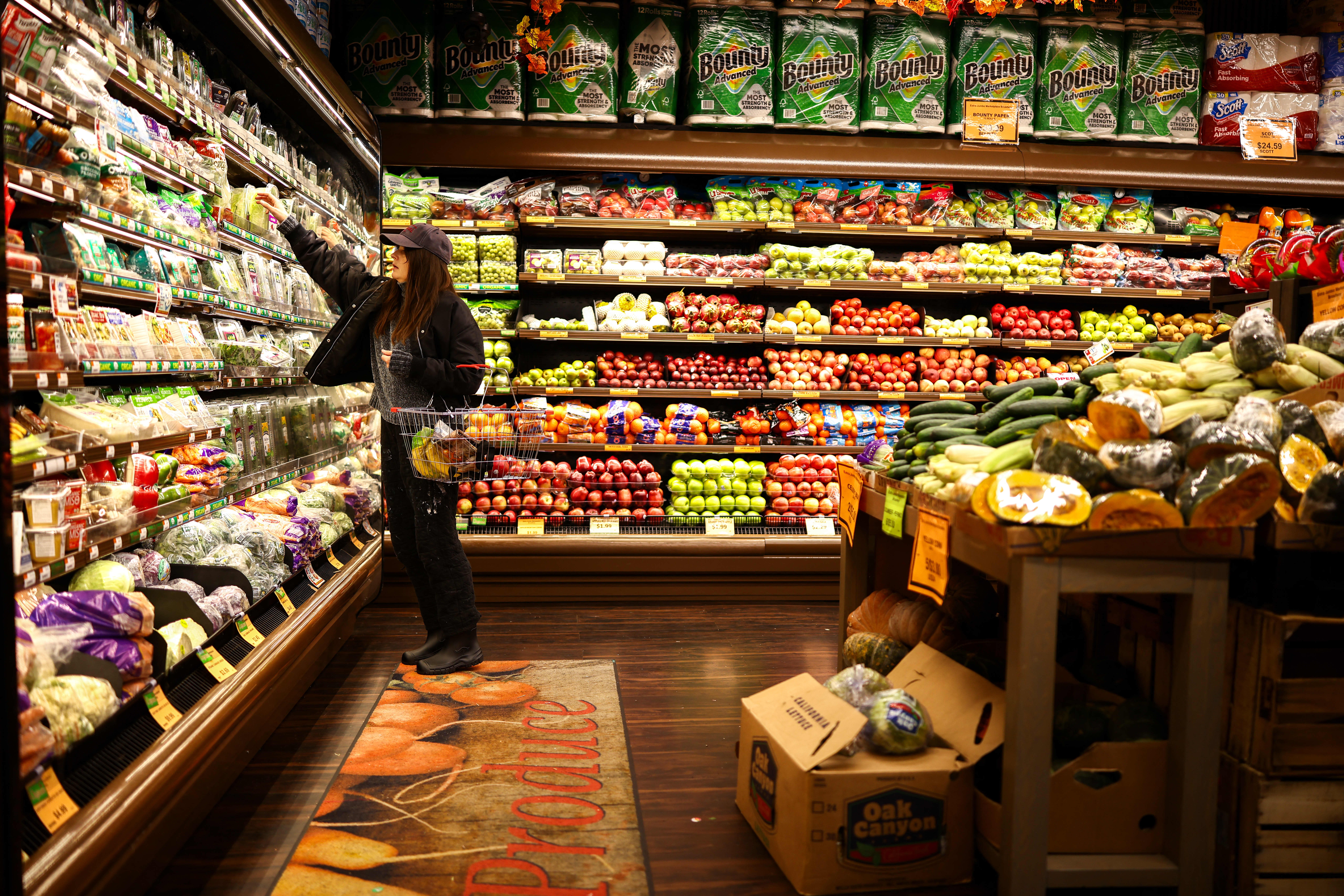
For the first time in the four-year history of one survey question, more respondents described their personal finances as bad rather than good. That finding captures how squeezed households feel after months of rising prices.
"Consumer appraisals of current business conditions became negative for the first time since September 2024," said Dana Peterson, the Conference Board's chief economist.
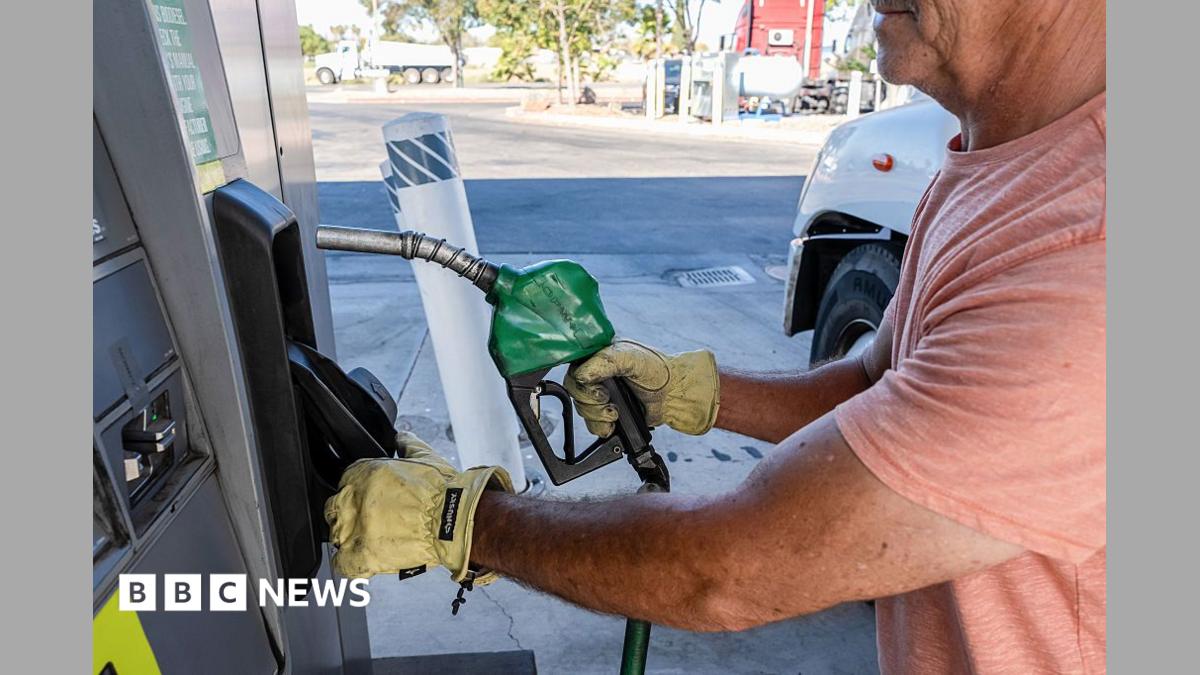
Peterson said respondents' written comments about the economy were "mostly pessimistic" in September. She noted that mentions of prices, the high cost of goods and services, and oil and gas prices in particular "rose to new heights," driven by a surge in fuel costs.
The Present Situation Index, which measures how consumers view current conditions, fell 7.9 points to 109.3. The Expectations Index, which tracks the six-month outlook, slipped 5.9 points to 63.6.
The labor market reading offered little comfort. The gap between Americans who say jobs are "plentiful" and those who say jobs are "hard to get" narrowed by 2.5 percentage points to just 1.7%. That differential is closely watched as a barometer of labor market health, and its steady erosion suggests hiring is cooling.
Inflation expectations climbed as well. Consumers now expect prices to rise 6.1% over the next year, up 0.3 percentage points from last month. Much of that anxiety traces to continued uncertainty over the Iran war, which has pushed Treasury yields and mortgage rates higher in financial markets.
The weak reading complicates the picture for policymakers at the Federal Reserve, who have been trying to bring inflation down without tipping the economy into recession. A gloomy consumer can pull back on spending, and consumer spending drives roughly two-thirds of U.S. economic activity.
Wall Street took note. The confidence miss added to concerns that households are running out of steam even as the labor market shows signs of softening.
Peterson's comments made clear that the mood is darkening across the board. With fuel costs climbing, job openings tightening and mortgage rates elevated, Americans see little relief ahead. The survey suggests many are bracing for a tougher stretch in the months to come.